
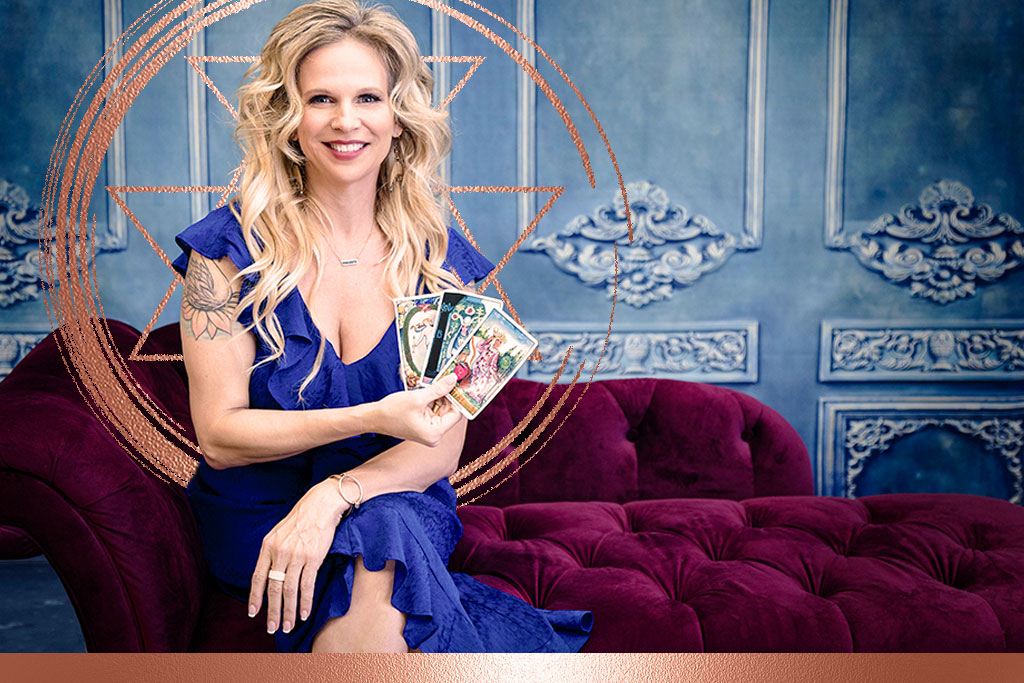
For centuries, tarot has been wrapped in a veil of mystery – whispered about in dimly lit rooms, misunderstood as a tool of fortune-telling, or dismissed as mere superstition. But the truth? Tarot is a mirror, a map, and a method—an intuitive guide that speaks the language of the subconscious, making it an invaluable tool for coaching, therapy, and spiritual exploration.
Tarot: A Tool for Reflection, Not Prediction
Let’s get one thing straight – tarot is not about predicting the future. It’s about illuminating the present and helping us understand the energies, beliefs, and patterns shaping our lives. Each card is a story, a symbol, a nudge toward deeper awareness. When used with intention, tarot becomes a lens through which we see our inner world more clearly.
Using Tarot in Coaching & Therapy:
More and more coaches and therapists are recognizing the power of tarot in sessions. Why? Because tarot activates the subconscious, helping clients access insights that traditional dialogue might not immediately reveal.
- Breaking Through Mental Blocks – When a client feels stuck, a tarot spread can act as a visual metaphor, helping them externalize thoughts and see situations from a new perspective.
- Encouraging Self-Discovery – The cards prompt reflection, asking clients to explore what resonates and why. This deepens self-awareness and personal agency.
- Facilitating Meaningful Conversations – Symbols and archetypes often speak louder than words. A coach or therapist can use tarot as a conversation starter, allowing clients to engage with their emotions in a less intimidating way.
Tarot as a Spiritual Guide:
For those on a spiritual journey, tarot serves as a sacred tool of connection, whether with the higher self, spirit guides, or the universal flow of energy. It doesn’t tell us what to do but instead offers clarity on who we are becoming.
- Daily Guidance – A single card pull each morning can offer insight into the energy of the day, acting as a spiritual compass.
- Shadow Work & Healing – Tarot helps us confront our shadows, showing us where healing is needed and how to integrate fragmented parts of ourselves.
- Aligning with Purpose – By reflecting our inner truth, tarot can guide us toward our highest path, encouraging authenticity and alignment.
How to Use Tarot Ethically & Effectively
If you’re incorporating tarot into your practice, here are a few key principles to keep in mind:
- Intentions Matter – Approach each reading with clarity and integrity. Tarot is a tool for empowerment, not fear-based guidance.
- Encourage Personal Interpretation – The real magic of tarot lies in what it stirs within the individual. Always allow space for clients to interpret cards through their own lens.
- Combine with Practical Tools – Tarot works best alongside other methods such as journaling, mindfulness, and cognitive exercises to ground insights into action. The tarot isn’t magic in the way people think, it doesn’t control fate or dictate destiny. But it is a deeply transformative tool, a bridge between the conscious and the subconscious, the logical and the intuitive. Whether you’re a coach, a therapist, or a seeker on the spiritual path, tarot invites you to listen, reflect, and expand.